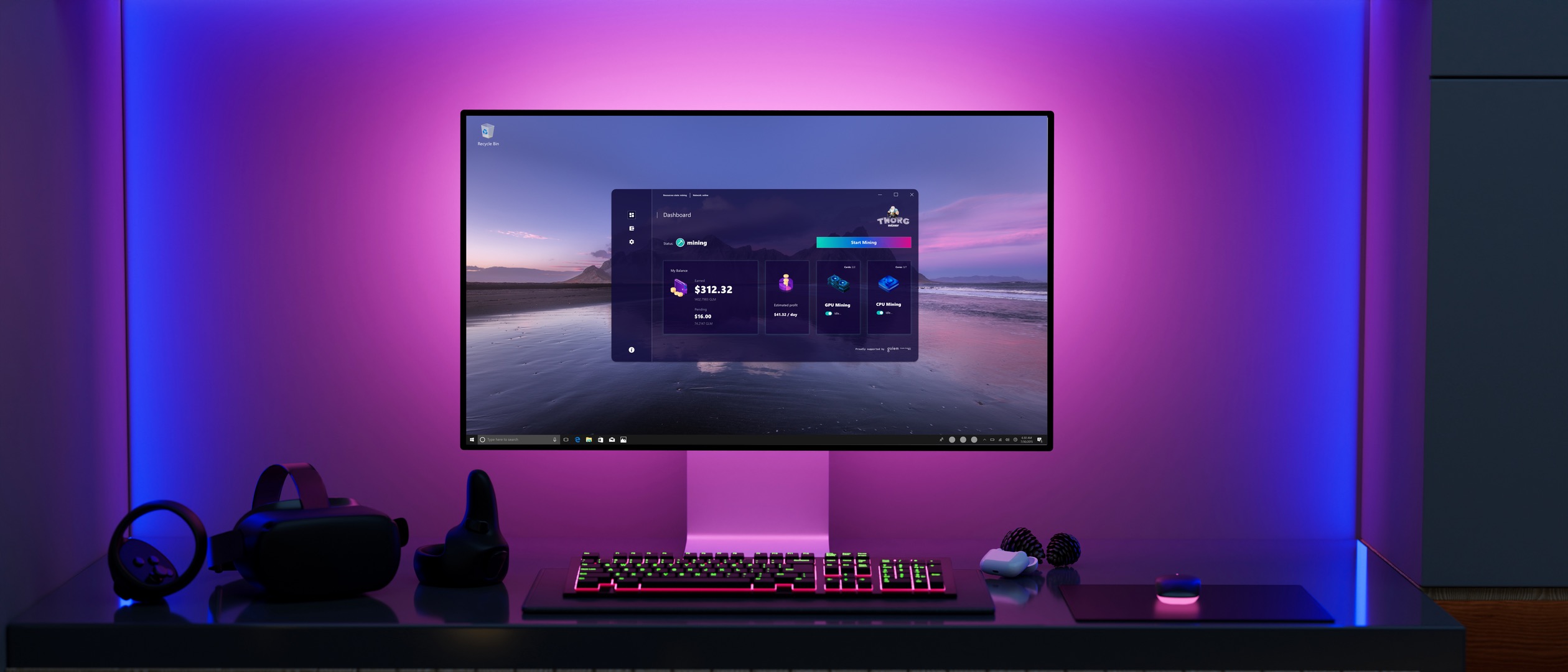
Thorg Miner
A Windows application for mining Ethereum on the Golem network, built around one sentence: you already own a computer strong enough for games, so leave it on overnight and let it earn while you sleep.
Client
Golem Factory
Role
Research, user testing, brand, UX, application and website design. Reporting to the board
Type
Product design
Year
2021
Shipped at
The audience
People who already owned a gaming machine with a graphics card strong enough to matter, and left it idle every night. They were not crypto people and they were not looking for a second job.
What it had to prove
That their own card earned enough to be worth the electricity, and that the answer would arrive before they had committed to anything. Everything else in the product follows from having to prove that during setup rather than after it.
What the software assumed you already knew
Those owners were the only group whose hardware made the arithmetic work, and the only group I needed to convince, so the prototypes went past five of them before any interface was drawn.
Mining software at the time assumed you already knew what a wallet was, what a node was and what a hash rate bought you. Thorg could not assume any of it, so the first run had to set the machine up and explain itself in the same pass, without ever stopping to teach.
UX tools used
Design tools used
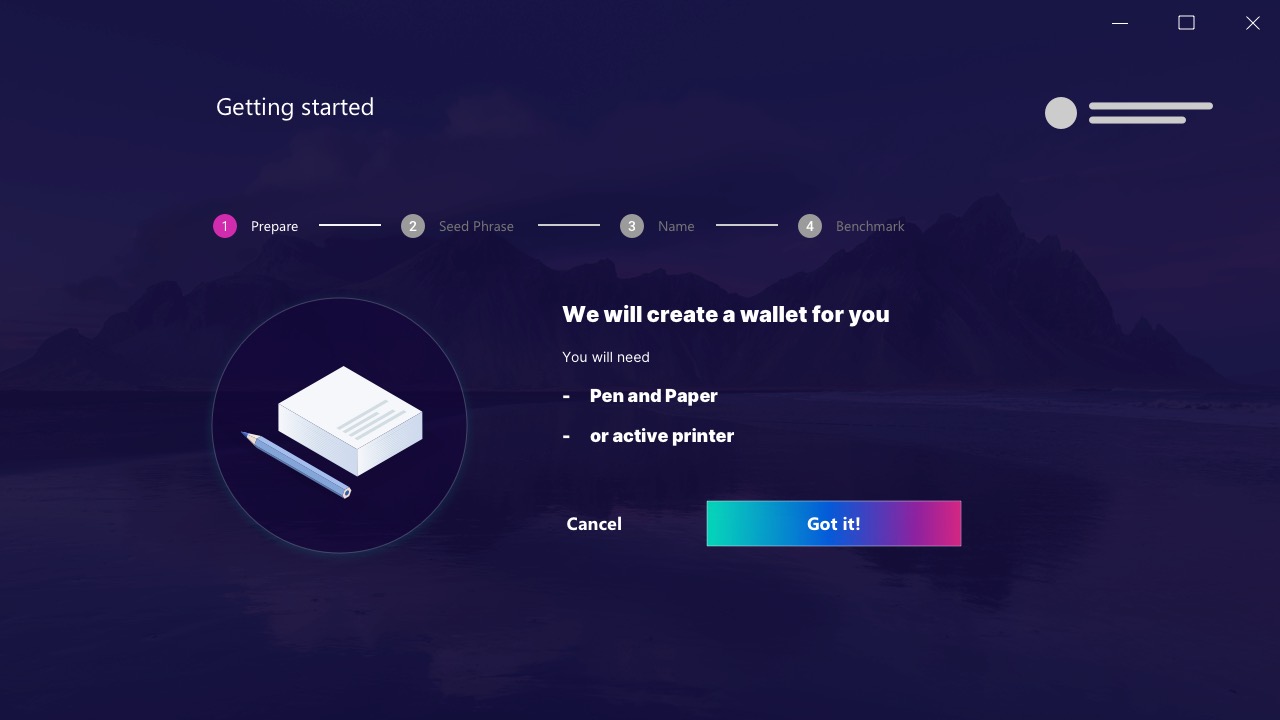
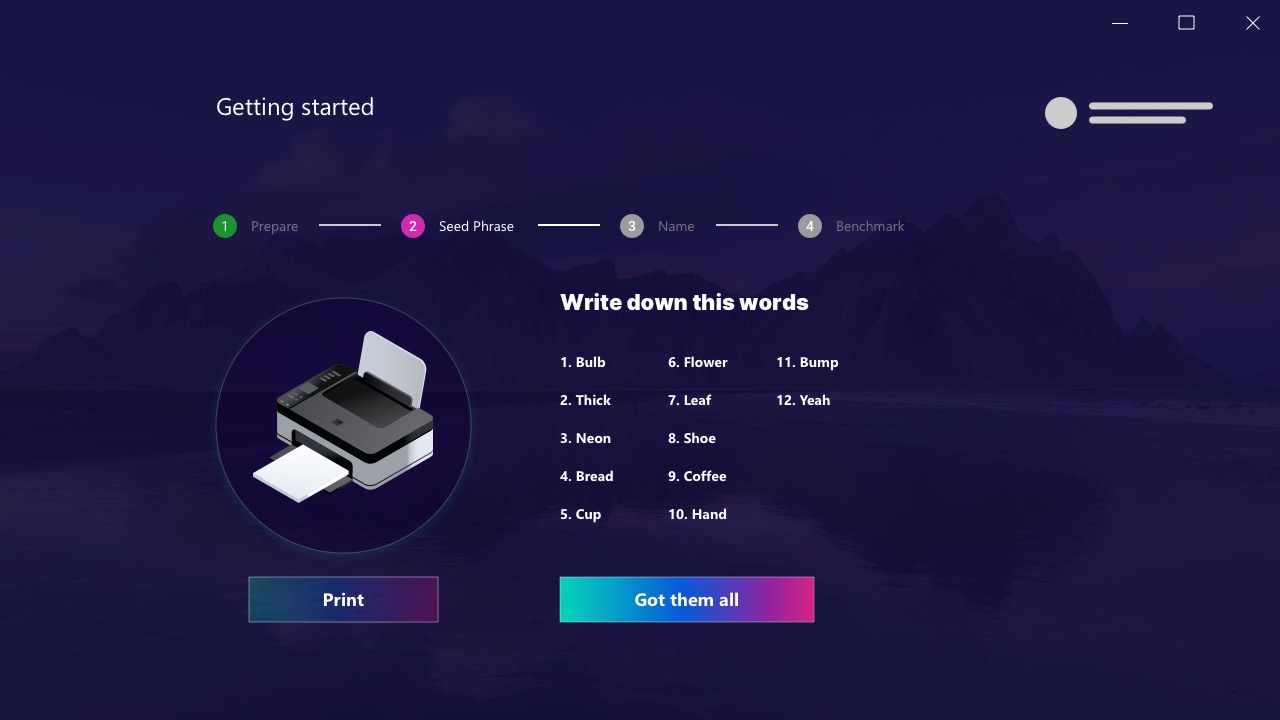
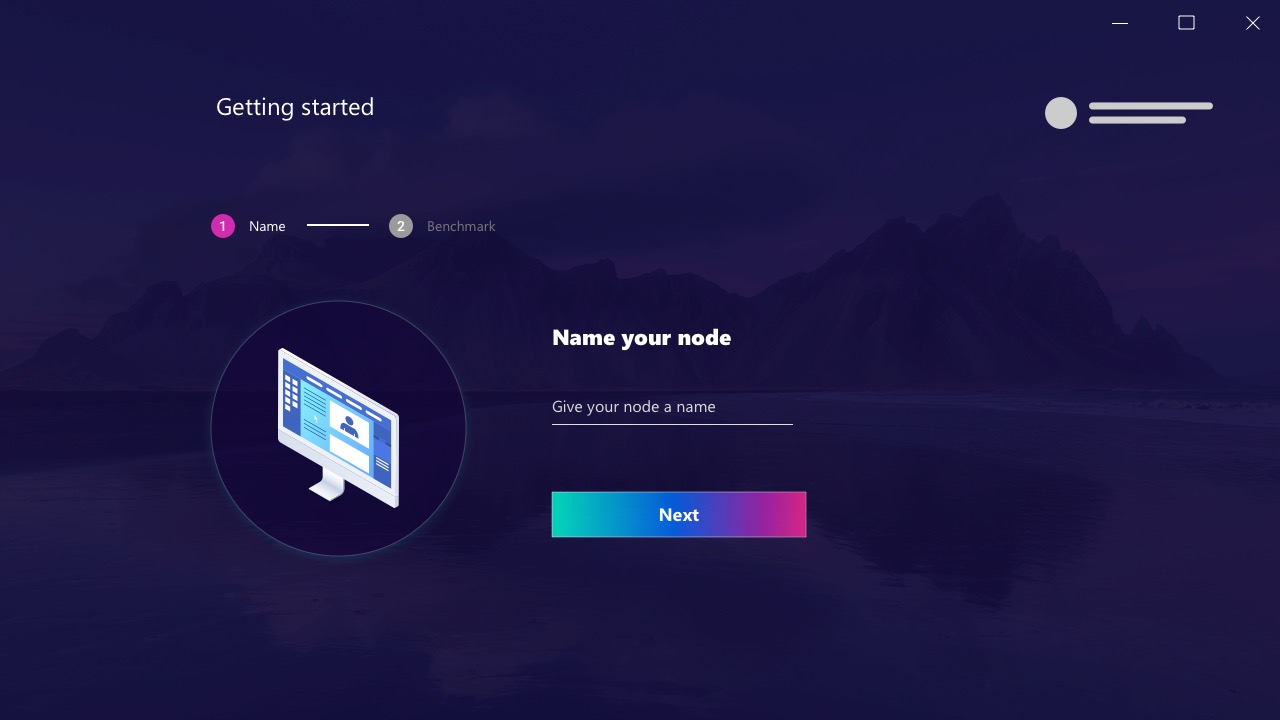
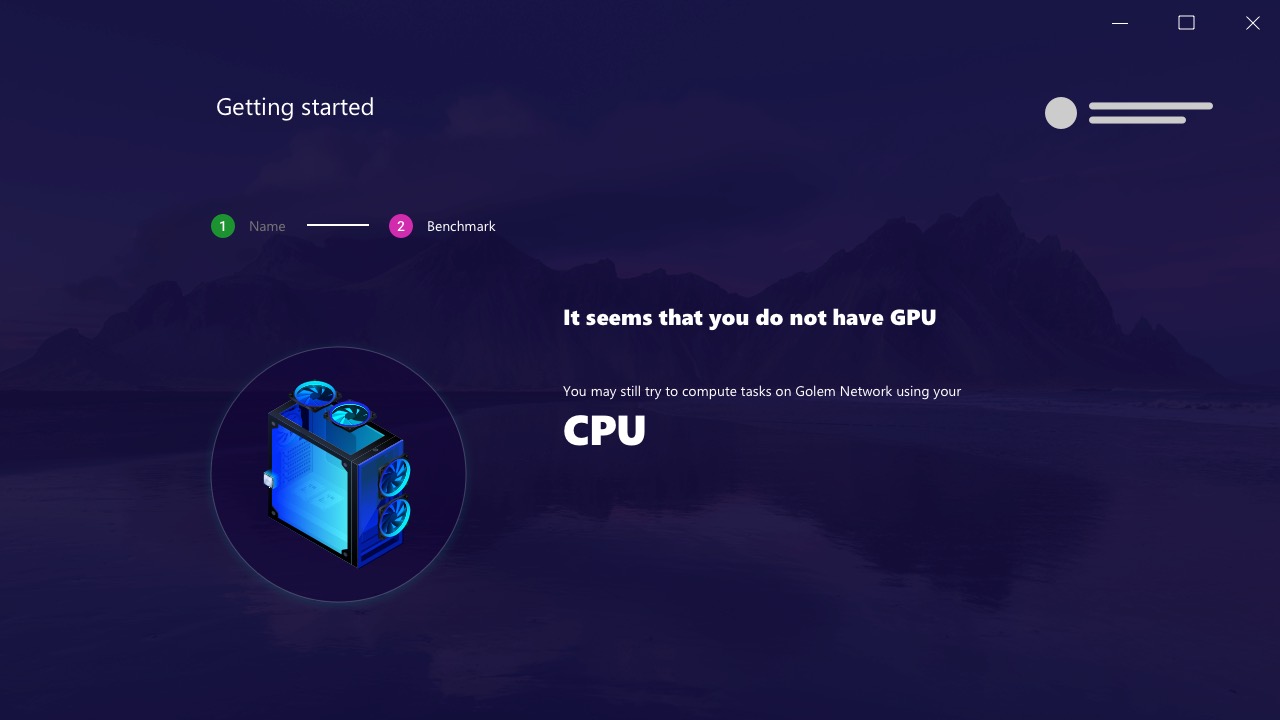
The first run
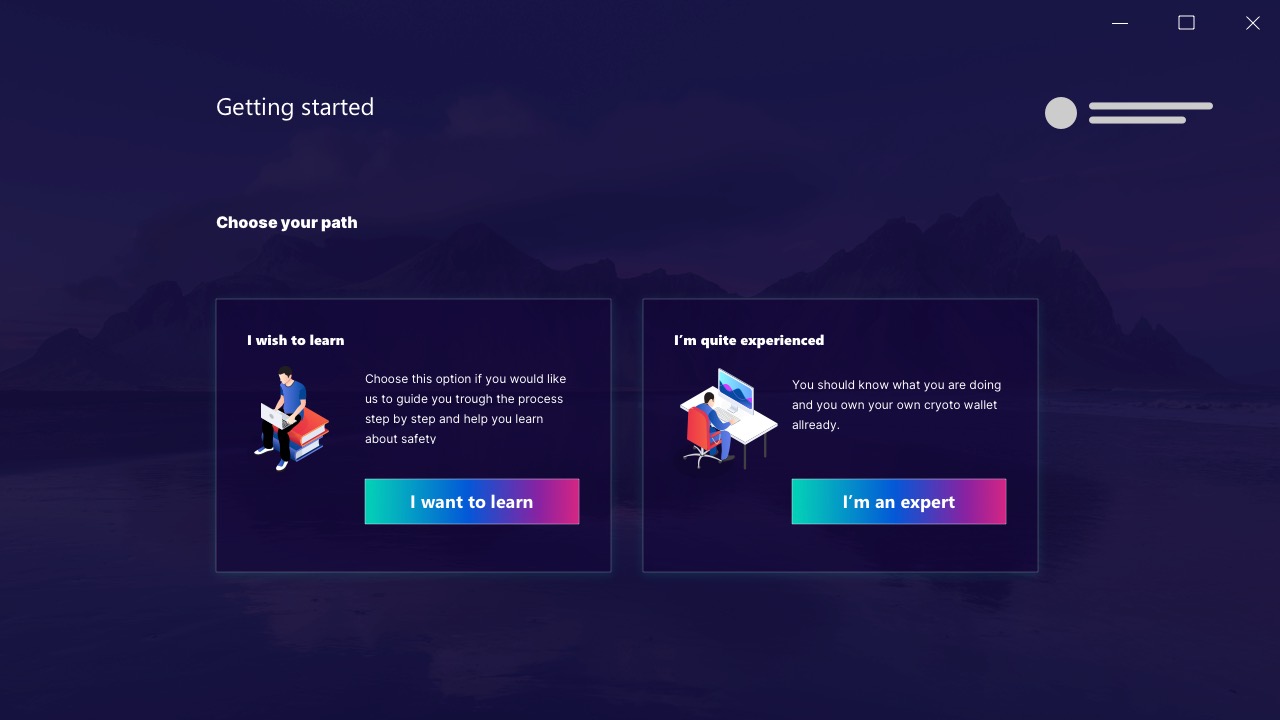
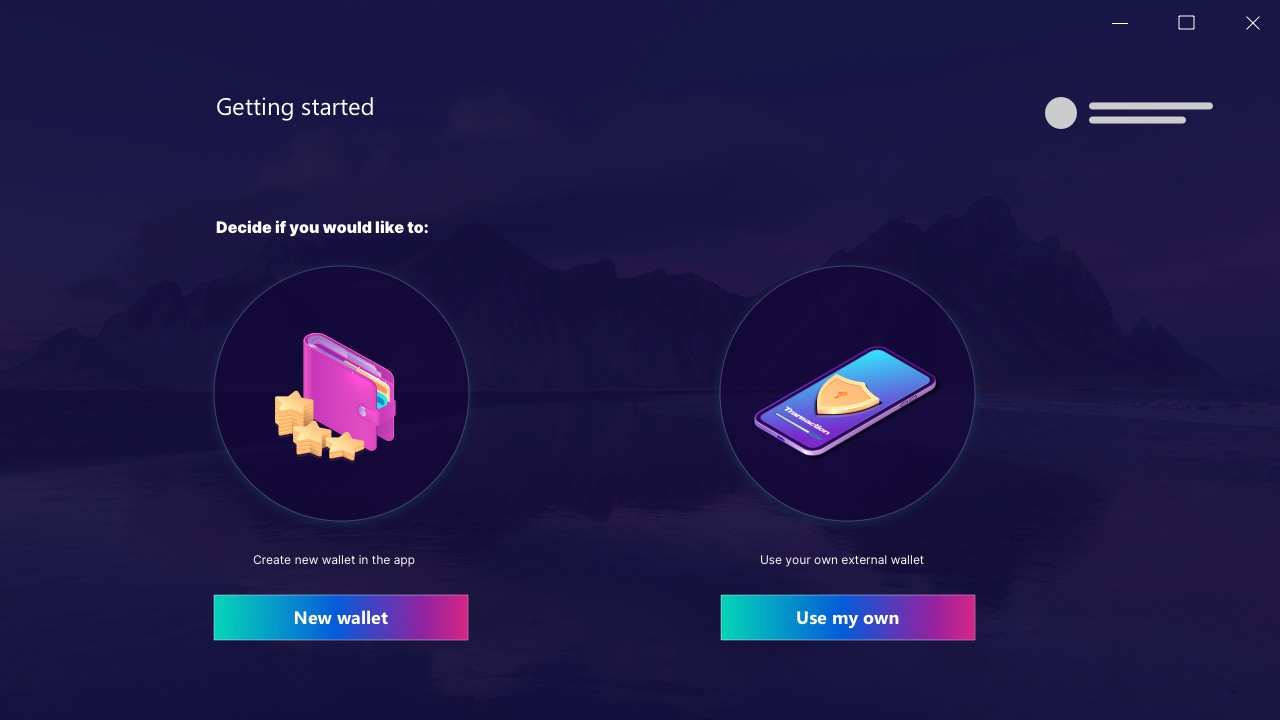
It opens by asking whether you have done this before, so anyone who has can skip the explaining. It offers to make a wallet rather than asking you to bring one. The recovery words arrive with a print button next to them, because writing down a list of words is the step people quietly abandon. Your machine gets a name and becomes a node.
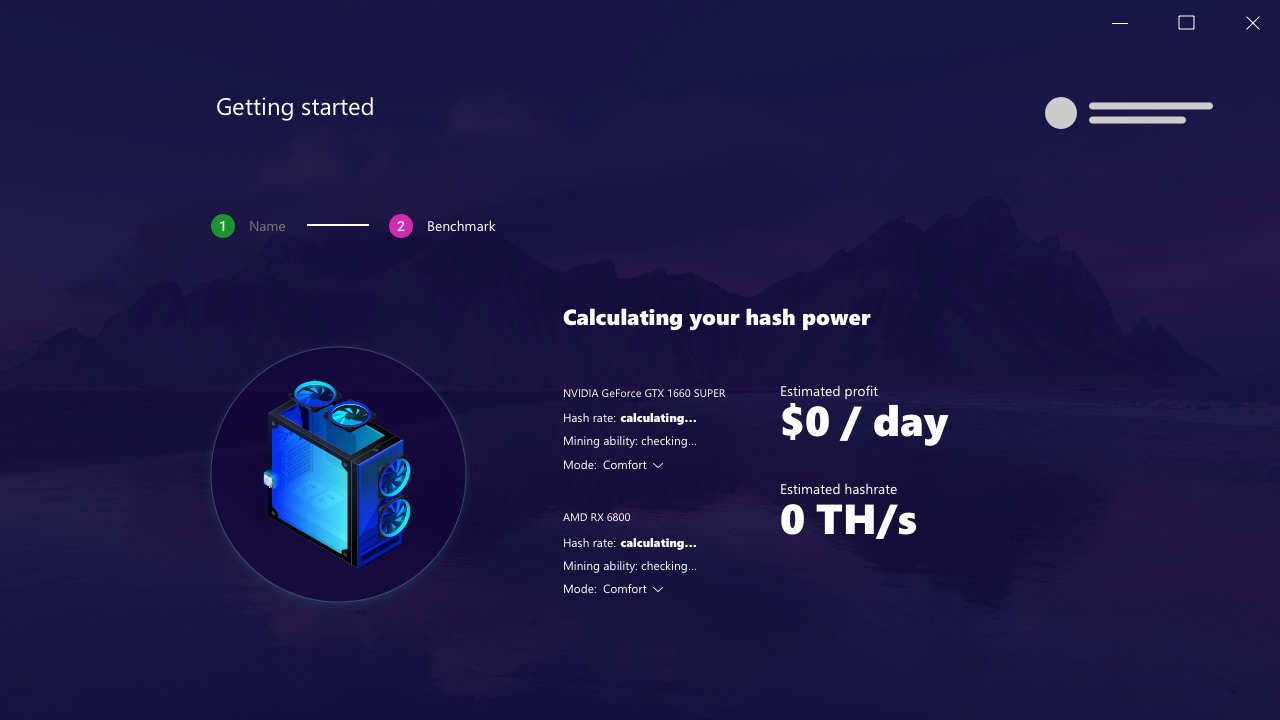
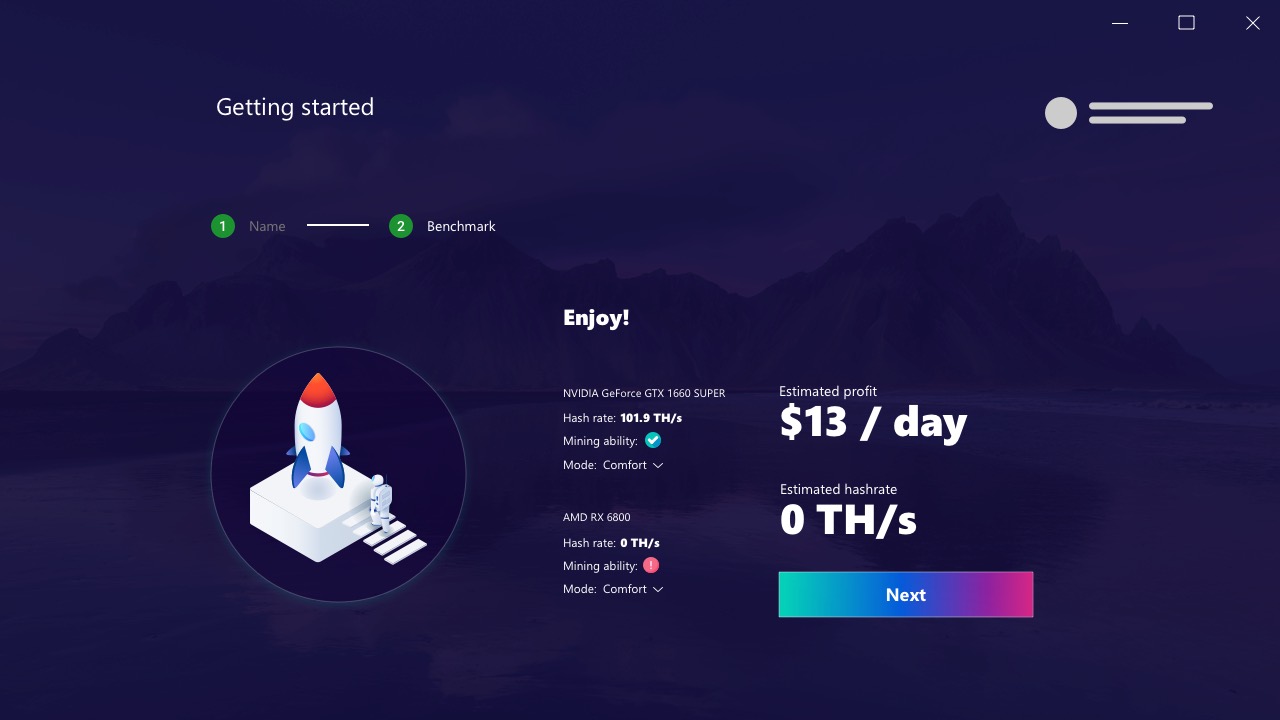
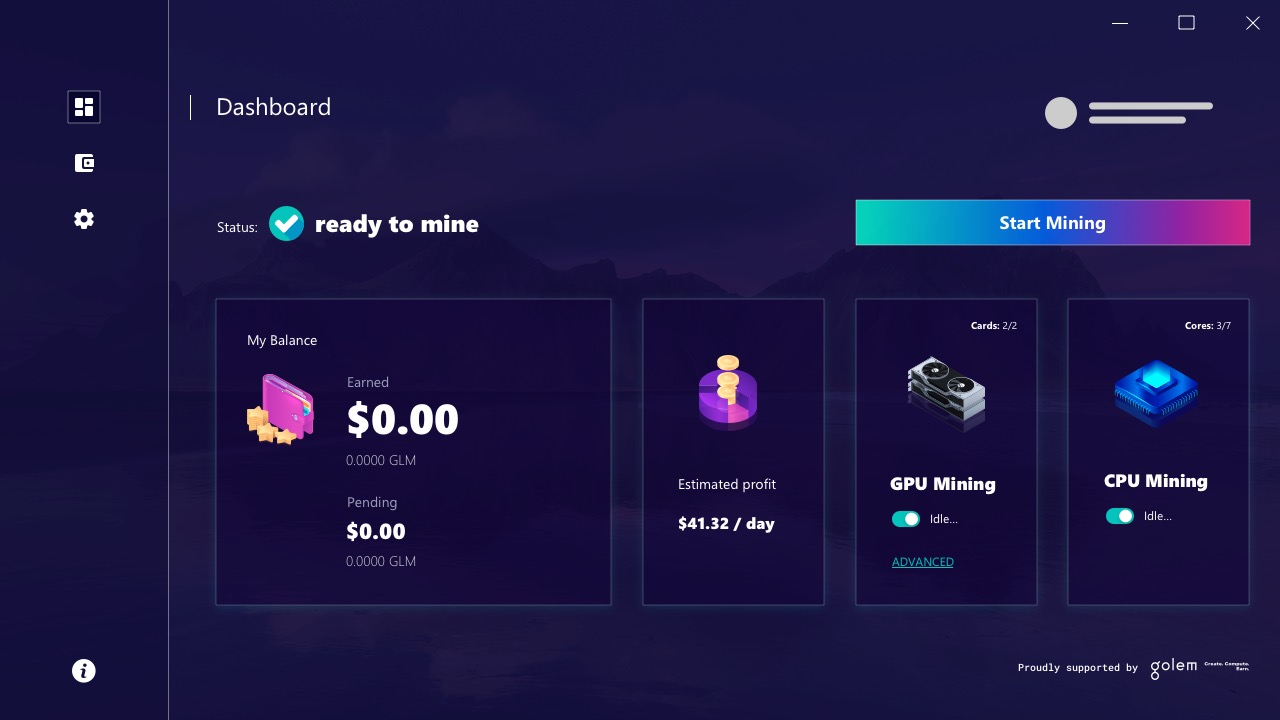
Then it benchmarks the hardware, and this is the screen I am still happiest with. If there is no graphics card worth using, the application says so in plain words and tells you what the processor alone is worth, instead of throwing an error and leaving you to work out whether you have been rejected. Setup ends on a number, which is what this particular computer earns in a day. After that the whole product is one button.
Drawing the dwarf
I drew him from scratch. He is a stumpy dwarf who would like to take over the network, assembled out of everything culture already hands to dwarves: a gold digger, faintly greedy, permanently hunting more GLM to split with his mining friends, who are the people running the application.
The teams working on the product kept him consistent so he would settle in people's heads, and then gave him room to misbehave. He turned up on social throwing rocks and generally being a nuisance, which is how a piece of software about hashing power stayed funny. The wordmark is drawn rather than set, rounded letters with a rock face on them, and Thorg sits on top of it with his pickaxe.
thorg.io
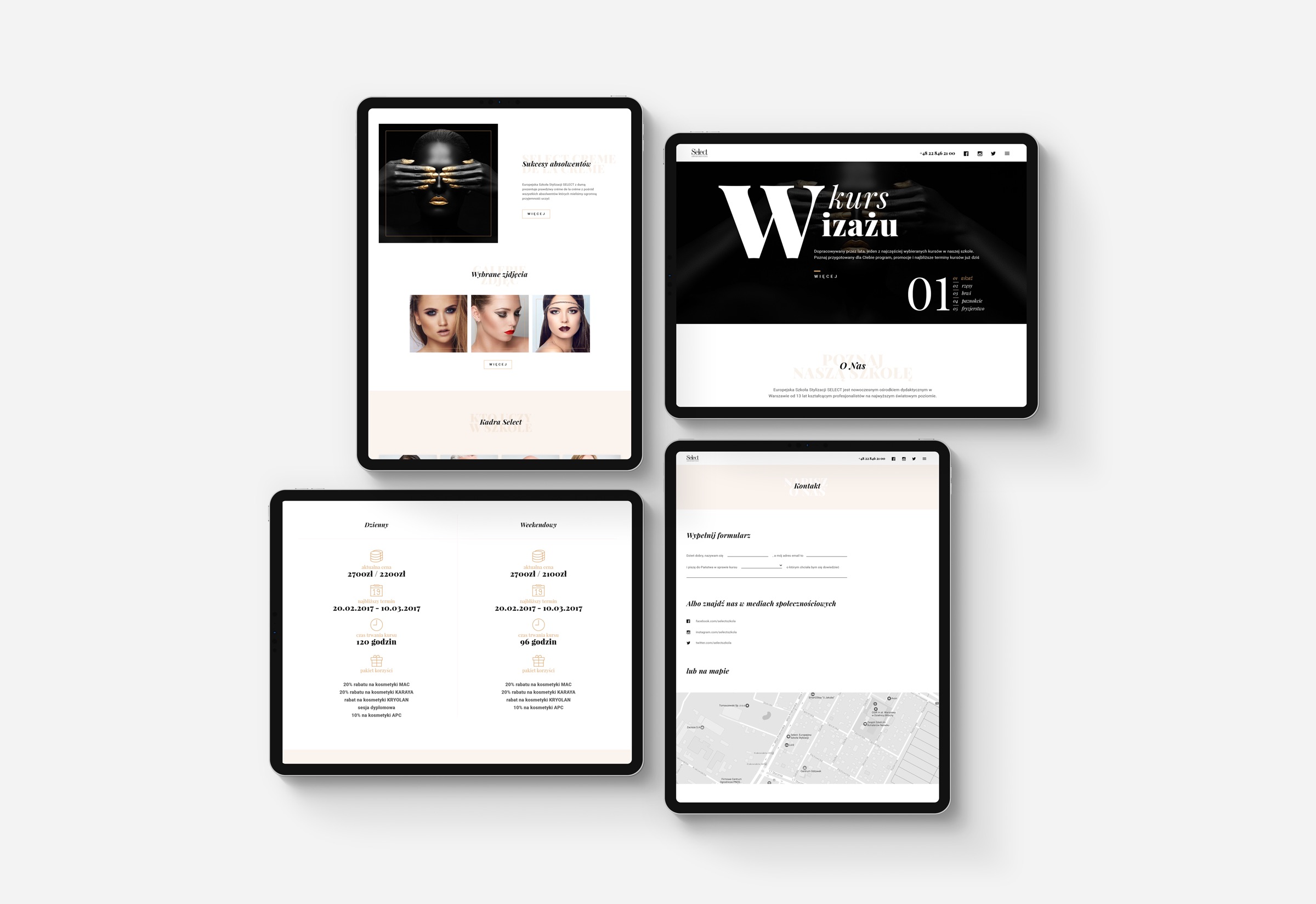
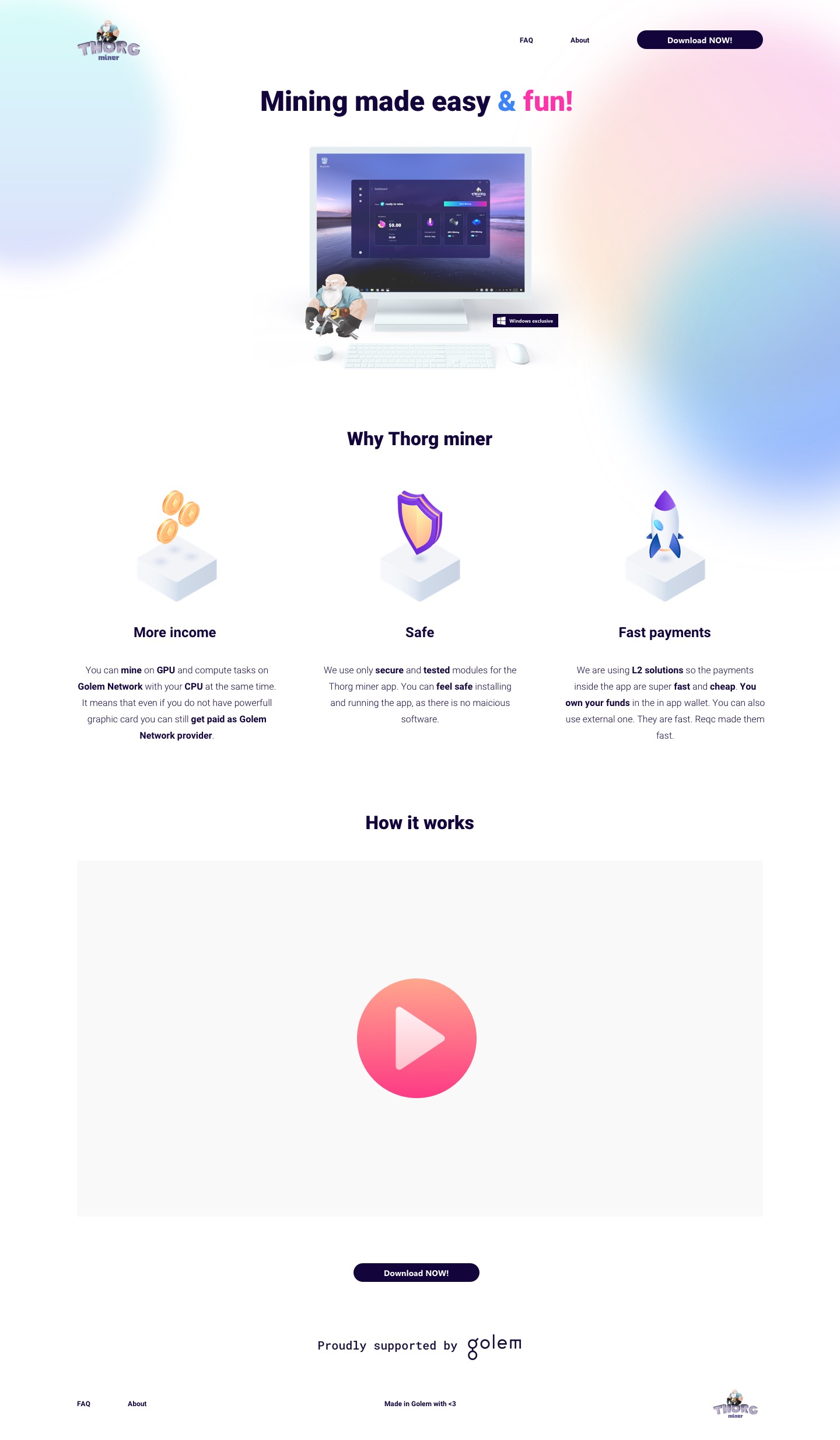
The site had one job, which was to get somebody who plays games to download a Windows application. So it says what it does in the first line, shows the interface immediately rather than describing it, gives three reasons and then plays a video of the thing working. The download button is the only thing you can do on the page.
What came back, and why it stopped
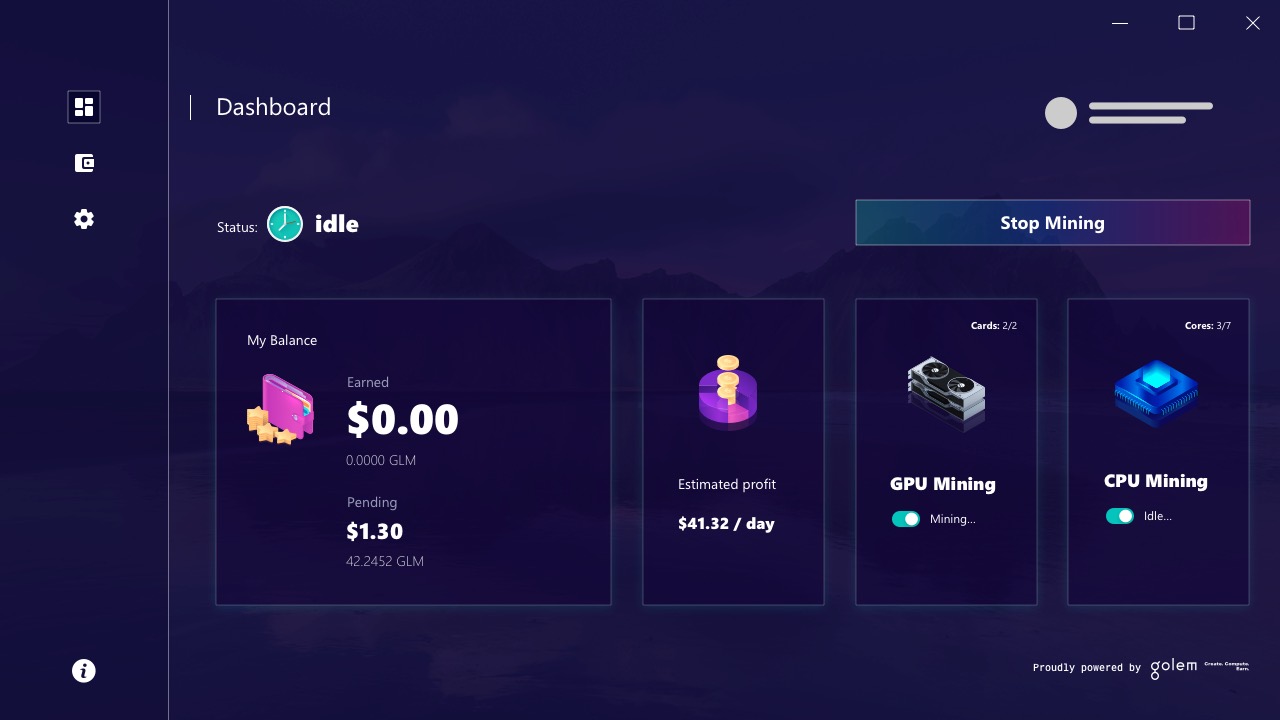
Users took to it. What came back most often was that the interface was simple and clear, that it was obvious how to use, and that it put everything you needed on one screen. That mattered more than it sounds: it meant people who were not already inside crypto could get through setup on their own, which was the whole point of building it.
"Once you get into the application, though, it seems very easy to use for the majority of people. As far as a mining application goes in terms of looks, Thorg is minimal in that Thorg shows you exactly what you need to mine while you're mining Ethereum for GLM. I can see my current wallet balance, my estimated profits in both GLM/USD and my hash rate per GPU. These are all great and make the experience very user friendly." A user on Reddit
Then Ethereum stopped being mined. The network moved to staking, and the thing this product existed to do no longer existed, so support for the application was suspended. It is a strange way for a project to end, since nothing about it failed. The chain underneath it changed its mind.